Eastern Orthodox Sacraments
The modern world is incredibly loud, hurried, and fragmented. We live in an era of constant notifications, fractured attention spans, and lives that are often performed rather than lived. Everything is fast, immediate, and temporary. We exhaust ourselves trying to capture every fleeting moment on our phones, turning deep experiences into quick, digital snapshots before rushing off to the next obligation. We are starved for something ancient, something true, and something that doesn’t change with the culture.
But when you cross the threshold of an Eastern Orthodox church, that chaotic noise stops.
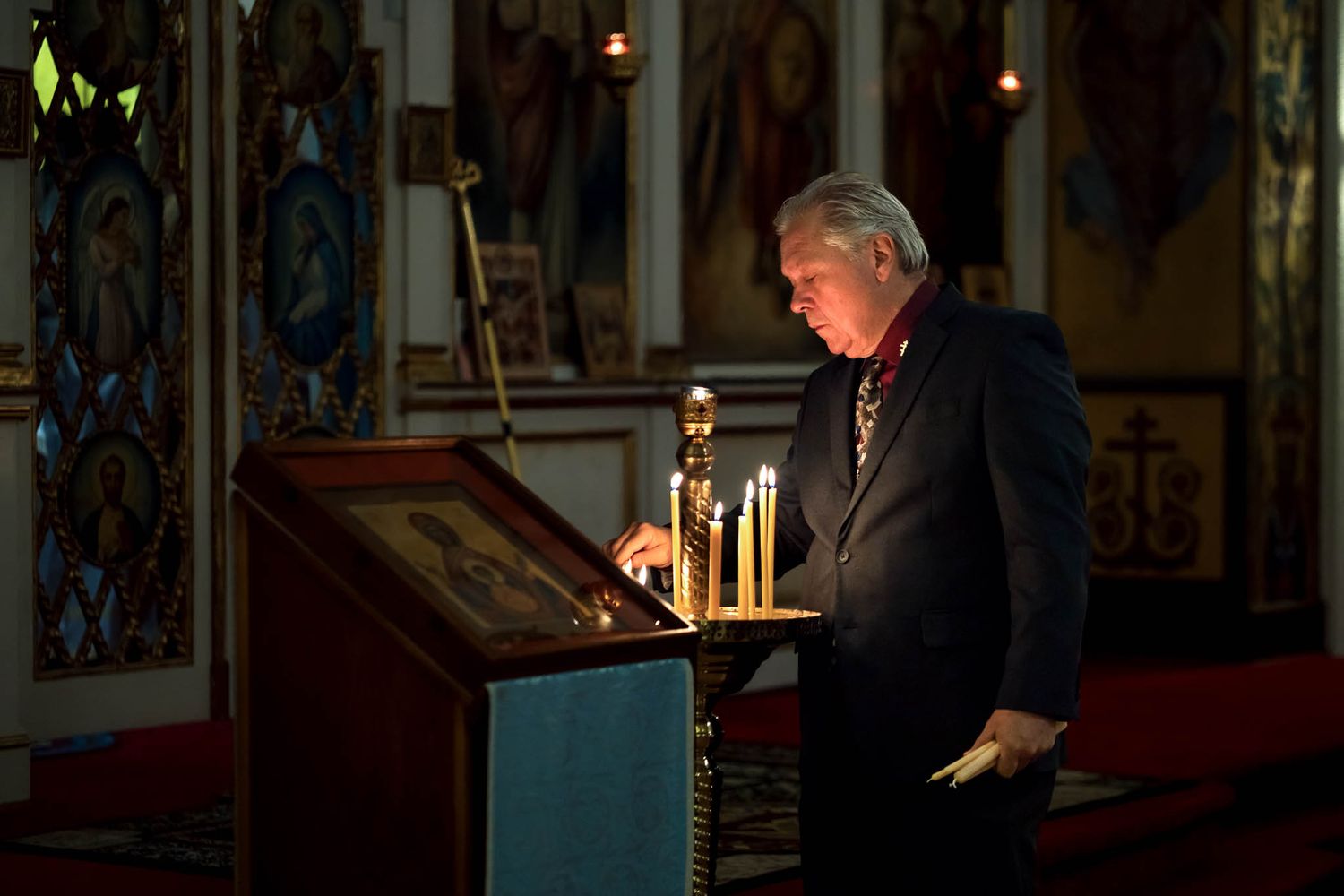
The air changes instantly, carrying the heavy scent of sweet incense and burning beeswax. The frantic pace of modern life falls away, met instead by the quiet, watchful gaze of the saints on the iconostasis. The mind is gently pulled out of the anxieties of the secular week and anchored into the eternal.
For the many who are looking into Eastern Orthodoxy for the very first time—the inquirers and catechumens who have spent months or years searching for historical depth and spiritual reality—this first encounter with the church can feel like stepping out of a storm and into an oasis. In the Eastern Orthodox tradition, we understand that this beauty is not a luxury; it is a theological language. The icons, the candlelight, the slow visual rhythm of the services—they all exist to heal our fractured sight and point to a reality that is older, deeper, and truer than anything the world can offer.
To look upon these moments with a camera is an exercise in absolute fear and trembling. The sanctuary is not a stage, and the sacraments are not events to be managed. They are holy mysteries where heaven and earth meet in the quiet space of the sacredness of the church, completely outside the frantic rush of time.
The Reality of the Sacraments
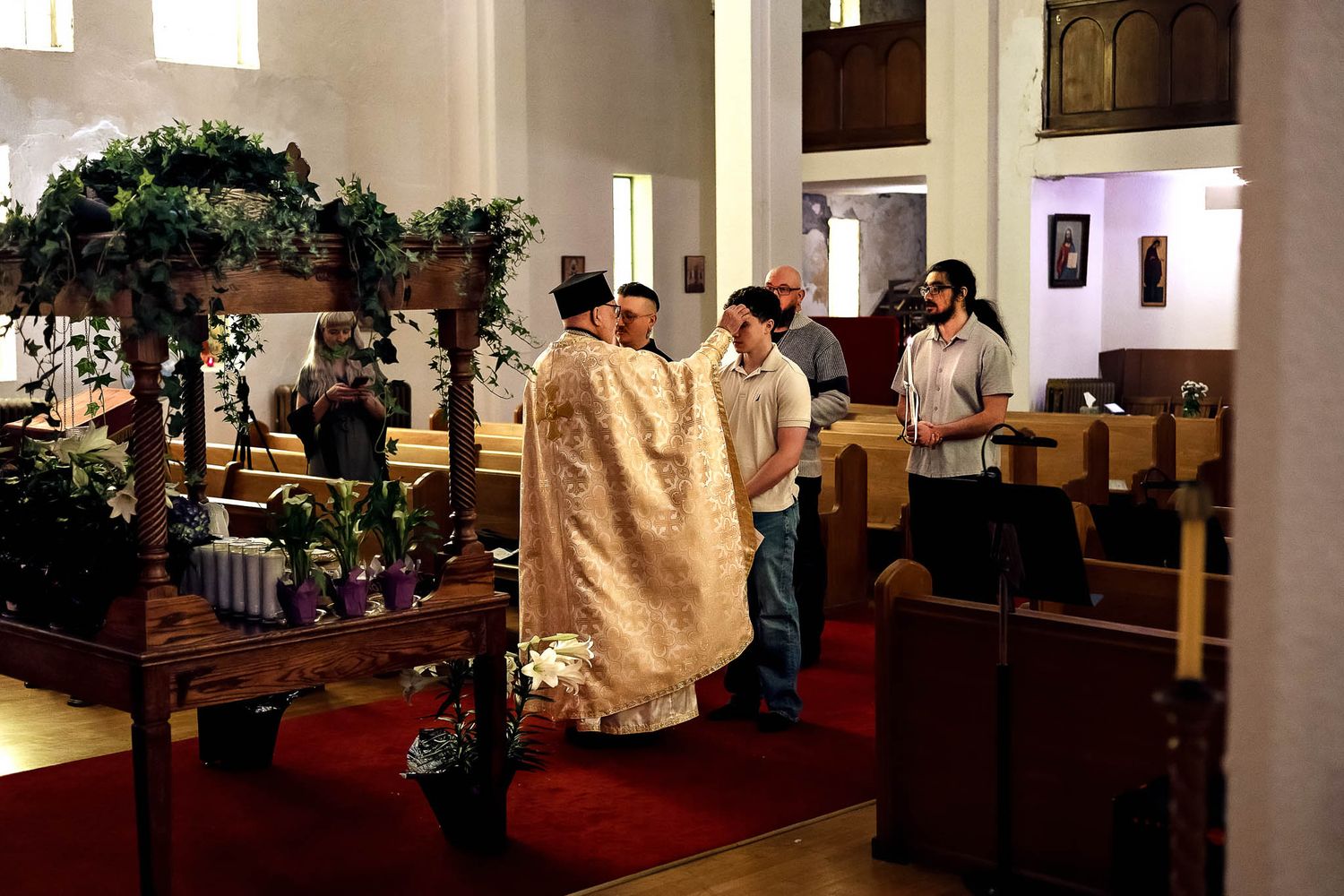
Within the Divine Liturgy, every movement holds eternal weight. Whether it is a newborn child brought by their godparents, or an adult inquirer who has finally crossed the threshold to be received into the faith through the holy font, God is doing a deep, transformative work.
A camera cannot capture grace, but it can preserve the quiet, earthly echoes of it for families who want to remember the reverence of that day.
The Garment of Righteousness
The heavy silence broken only by the soft splash of the waters of the font, followed by the quiet rustle of a pristine white robe signifying a soul washed clean and clothed in Christ.
The Seal of the Spirit
The intimate stillness of Chrismation, watching the priest’s thumb gently trace the sign of the cross with the sweet-smelling Holy Myrrh upon the brow, the eyes, the hands, and the feet as a new member is sealed into the body of the Church.
The Domestic Church
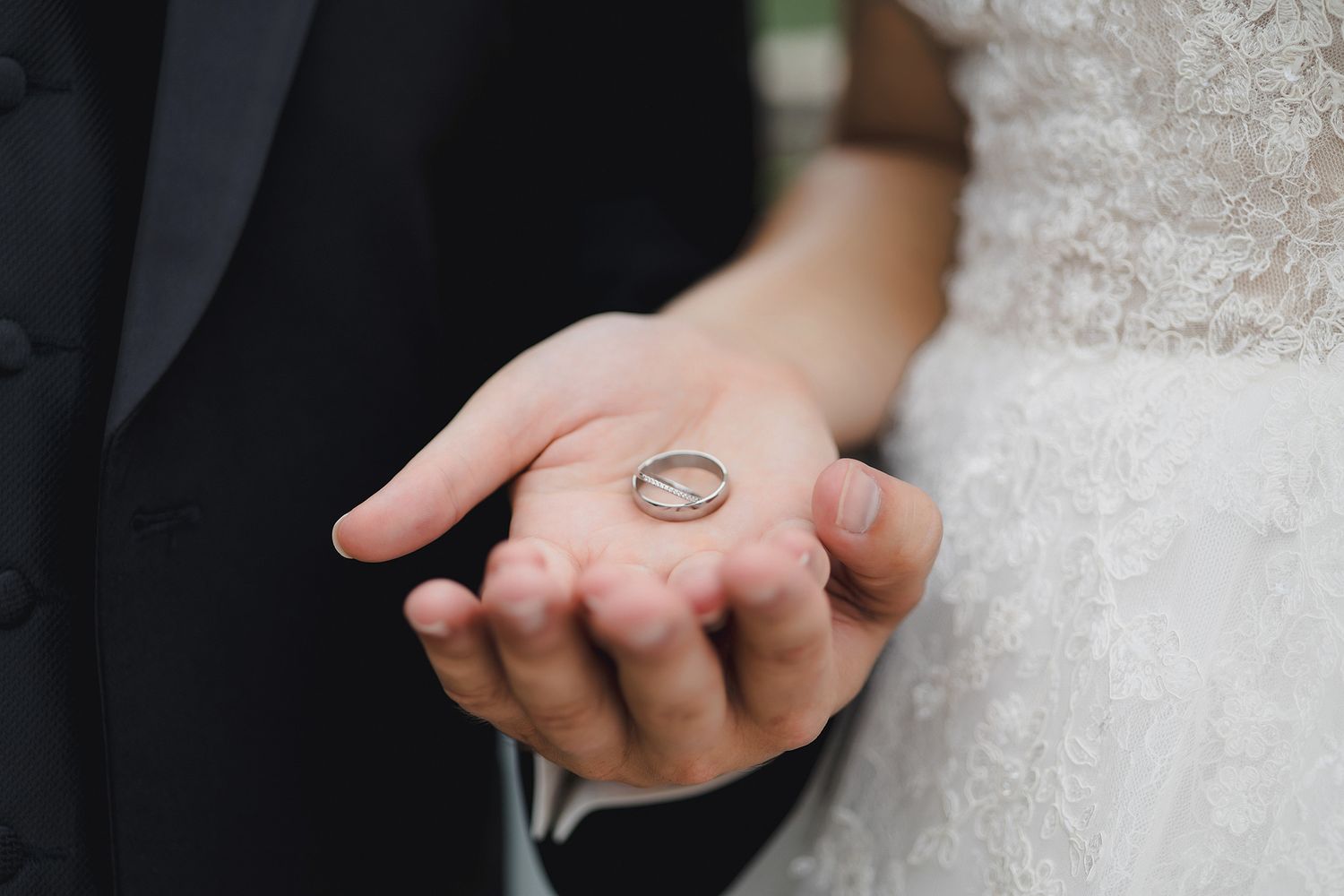
The placing of the bridal crowns, joining two lives into a shared martyrdom and a shared kingdom, followed by the first steps taken as husband and wife during the Dance of Isaiah around the Gospel stand.
A Stewardship of Stillness and Respect
Because the church is a house of continuous prayer, the presence of a camera must always remain secondary to the sanctity of the service. One of the greatest concerns shared by local parish priests and faithful families is the fear of distraction. A loud shutter or a photographer moving aggressively on the solea can instantly break the prayerful solemnity of a service, pulling the faithful out of the mystery and back into the noise of the world.
My own journey into this work came from a desire to see our parishes treated with the utmost reverence. As a practicing Orthodox Christian, I came to realize that our sanctuaries do not need someone who acts as a director trying to run a photoshoot. They need a hidden, prayerful witness.
My approach is built completely on a stewardship of humility and strict altar protocol:
Natural Ambiance Only
I work entirely with the natural, warm light provided by the church’s windows, icons, and candles. I never use intrusive artificial flashes, preserving the authentic, true-to-life atmosphere of the service exactly as the human eye experiences it.
Submission to the Priest
The camera must always submit to the authority of the Church. I never step onto the solea or near the altar without the explicit blessing and guidance of the parish priest. Before any service begins, I coordinate directly with him to fully understand his spatial boundaries, ensuring that his prayers and the focus of the day remain entirely undisturbed.
Serving Eastern Orthodox Parishes Across the East Coast
While my roots are in the historic, candlelit naves of Western New York, my vocation extends to Orthodox communities throughout the East Coast. From the sprawling cathedrals of our major metropolitan areas to the small, tight-knit missions nestled in quiet towns, our shores are home to a deeply rooted, beautiful Eastern Orthodox community that is joyfully welcoming many home.
It is a profound privilege to travel and step into the background of these sanctuaries—not to create something new or showcase my own work, but to quietly archive what is already holy.
Grand Island, NY
Eastern Orthodox Sacrament Photography
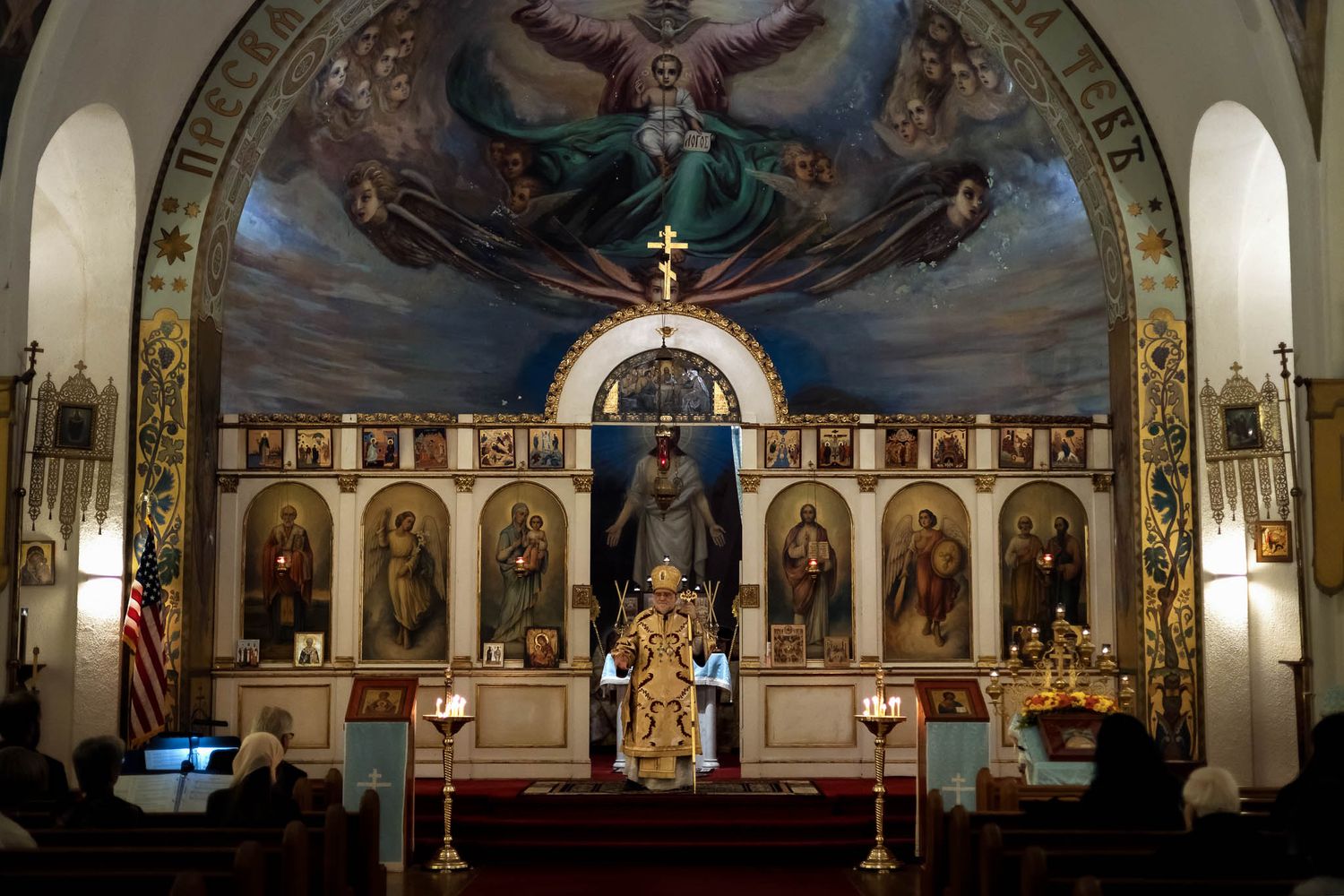
Whether your family has been Orthodox for generations, or you are just now entering the life of the Church through holy baptism and chrismation, the goal is simply to preserve the visual heritage of your faith. Generations from now, your family should be able to look back and see the timeless, unchanging beauty of a life lived in Christ, no matter which parish you call home.
These are not moments that can be directed, paused, or recreated for a better angle. They do not belong to the secular world of entertainment; they belong entirely to the Church and to the souls who are living them.